
doubt
Noli me tangere. John 20:17
Perhaps we got it wrong. a mis-
apprehension. what HE meant. the gesture. no, not that way. no, not to not touch but forbid the clinging, to celebrate HE was leaving. as in the painting by Correggio. as in Picasso. the gesture not of loss. of parting. still the church’s a heavy door to enter. still the blue blue hour when we write. light a candle. bake a cake to symbolize abundance. to separate the yolk from white. the wet days that we cry from husk. cake to make a go of it, we say. a consolation. with candied peel and currants. a simple simnel. with cherries glacé. flour, self rising. the only way possible. still we’ll want to put a finger in the wound.
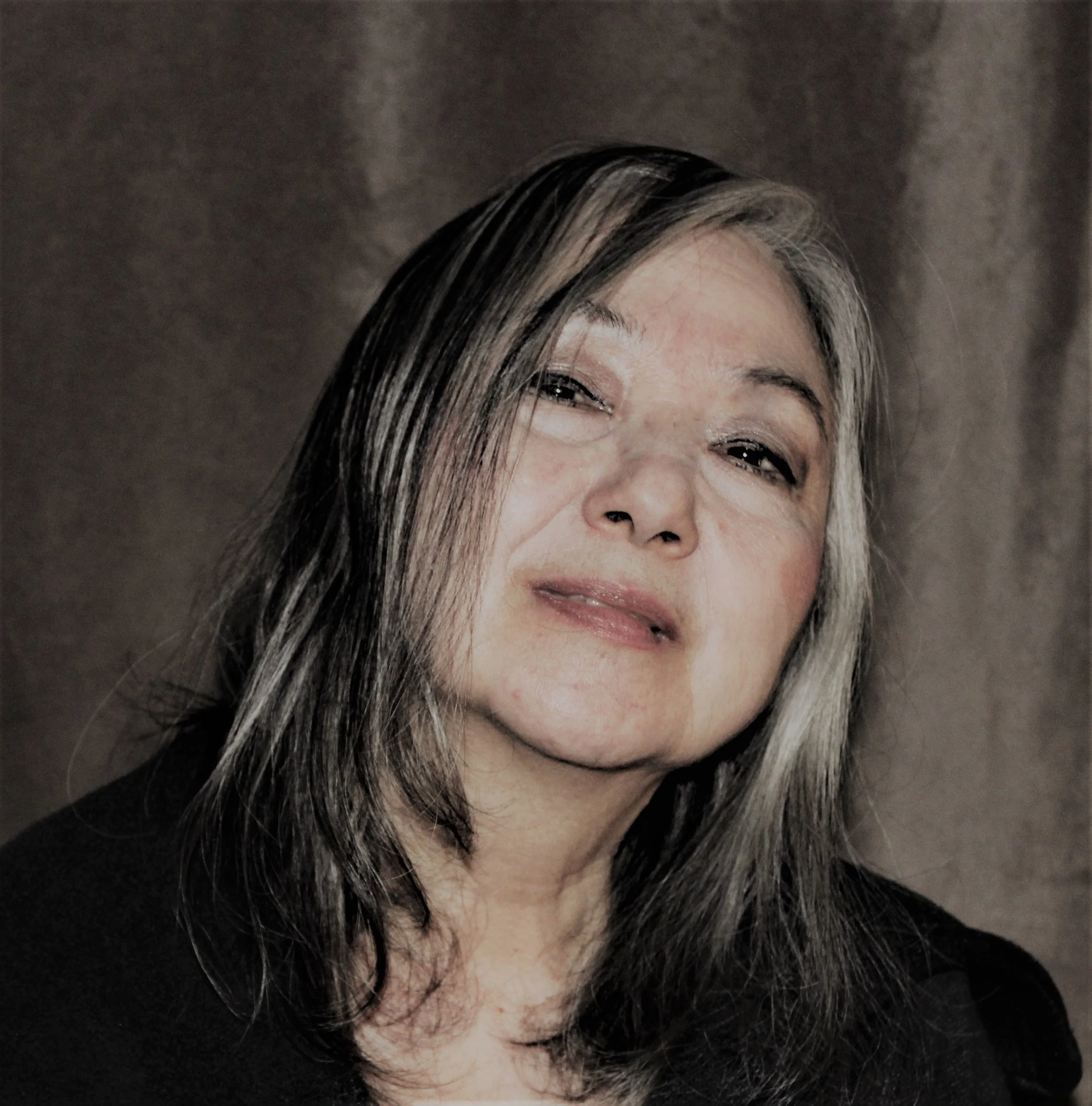
Kathleen Hellen
Kathleen Hellen is the author of three collections and two poetry chapbooks. Her writing has appeared in the Baltimore Review, DIAGRAM, Diode Poetry Journal, Drunken Boat, The Journal of Compressed Creative Arts, Four Way Review, Massachusetts Review, North American Review, Notre Dame Review, The Shore, Sixth Finch, The Sewanee Review, and elsewhere. Hellen’s poems have won prizes from the H.O.W. Journal and Washington Square Review. Her third chapbook, young girl in the flower of time, is forthcoming in 2026 from Lily Press.
Why this Knocked Taylor Out:
Well I couldn't really get over the ending. It caught me so off guard. Sometimes I get to the ending and realize I haven’t been reading closely enough because it’s so great and such a punchy moment. I am often willing to love a whole poem if it’s ending convinces me (me problem?)
Then I had to go back through the poem slowly just trying to untangle the layers. That to me is an indication that an author is really intentional with their work and that it’s my job as a reader to engage with that intention and give that effort back to the author. Within this poem, there's so much here about autonomy, performance, and art, that I really appreciate. The sound work, use of color, and form is also great. The prose allows some of the intricacy of the language to stand on its own (much like the speaker of the poem is attempting to?)
It’s a quick poem, but a dense one (pun intended!) and one that I’m really grateful I spent more time with ultimately. The labor of reading poems deeply is why I got into this bis- in this first place.
Interview:
Why did you choose Team Taylor for this poem?
I read “Conversation with the Co-Editors” and liked Taylor’s choices: Kaveh Akbar. Sylvia Plath, Mary Oliver. I liked what she said about choosing her readers and the willingness to be surprised. In terms of what she’s into (“god/God” stuff,” cultural inheritances, attention to the body), I share these interests/obsessions.
Talk to me about the detailed choices you made in this poem, the foods, the smells, the colors? How do you go about making choices like that within your poetics?
The simnel is an Easter cake. It’s an elaborate recipe, and I chose it for the poem because it is a symbol of faith, both in its abundance and its complicated nature. The color blue repeats. It refers to the color used in the painting by Correggio on the subject of Noli me tangere and Picasso’s Blue Period after his friend Carlos Casagema’s suicide. The Latin phrase meaning "Touch me not" or "Don't touch me" has often been interpreted simplistically. The phrase originates from Jesus's words to Mary Magdalene after his resurrection, and its subtle meaning (“Don’t cling to this flesh”) resonates with "The Blue Hour," the period of twilight or before sunrise, associated with mystery and transition. I also intended homage to Joan Didion’s Blue Nights, a reflection on mortality after the death of her daughter Quintana.
Who are some poets you think you are in conversation with, or that you are at least inspired by and how does this poem try to situate itself within that context?
Didion, of course. And Tomas Tranströmer, who builds on images of isolation, is a powerful force in my writing, and certainly influenced “doubt.” A countervailing force is in the work of Gerard Manley Hopkins.