
Constellation
end poem with
step on it
start poem with
cease fire end
poem with war
is over start
poem with plant
a tree end
poem with i
hate you start
poem with i
ate you start
poem with towhee
or shooting star
or piano or
muskoxen end poem
with typo or
comma or asterisk
start poem with
perfume or sex
or midheaven or
ascendent or SpaceX
start with maybe
with perhaps yes
or possibly or
possibly maybe or
cease fire or
never start periodt
Adam Jon Miller
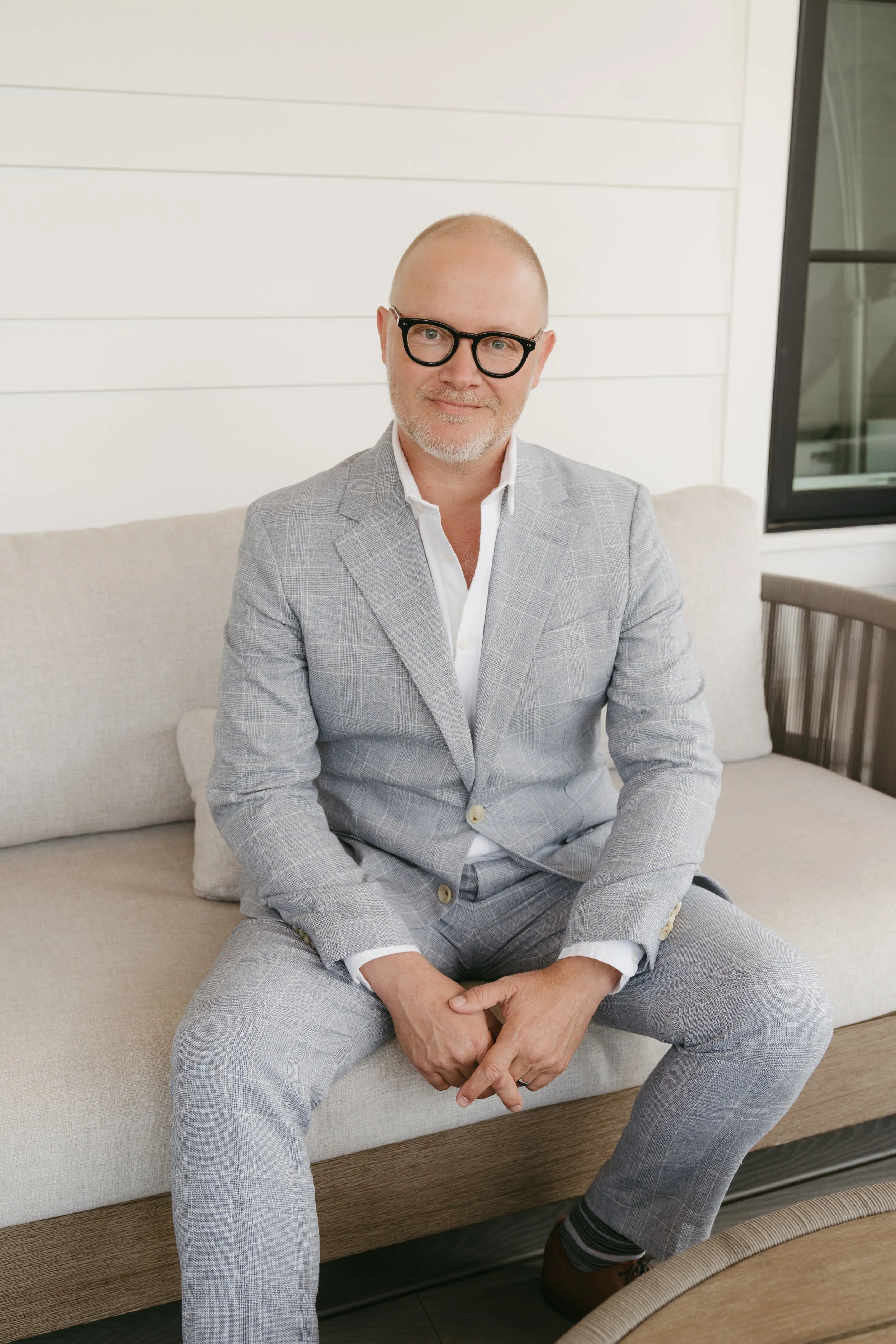
Adam Jon Miller's poems have appeared in The Louisville Review, Yalobusha Review, Thimble Literary Magazine, The William & Mary Review, OxMag, Hood of Bone Review, Folklore Review, and elsewhere. A selection of Adam's work has been translated into Chinese. He was recently nominated for a Pushcart Prize by Yin Literary. Visit him anytime at www.adamjonmiller.com. Follow him @im.adam.miller.
Why this Knocked Martheaus Out:
Where now, where tomorrow, what to do--with so much, where to start--with no end in sight, where to end: this poem captured for me a constellation of questions and hitch points as we witness more and more killing fields. Speaking for myself, the poem helped with a personal question of how much distance we decide to put between images of ceasefires and images of planting trees. It seems easy enough and desirable to have neat timelines: we begin in hate and war and end in ceasefire and appreciation of the natural world. But what this poem did for me is show how this urge to place beginning and ends is . . . something like an urge to inauthenticity, I'd need more time to have a better explanation. The poem is one moment, so when it is confronted by the too much-ness and fullness of war, of ecological devastation, of life--of course, every start and end will be a collapse.
Craft-wise, these short lines, with a repeated phrase, and harsh enjambments work well with the "neatness" of couplets. For example, follow where the word "with" or where the italicized phrases will end up within a line--their placement is constantly altering, and that's a nice contrast with the stanza and line length, which stay on a more standard track.
Interview:
The placement of animals is so interesting in the poem (towhee and muskoxen). Can you speak more about how you're seeing them in the work and why these images reached you?
I often like to insert little secret gifts into poems. My wife loves to birdwatch, especially when we are in North Carolina during the holiday time. While writing "Constellation," I asked her what her favorite bird was and she said "towhee," so I gladly included the towhee for her. While not an obvious animal, "piano" was placed in the poem for my son, a pianist. My daughter is very funny, so "i ate you" is for her. And later, near the end, I included "possibly maybe" for Björk because I love her, even though she's not a family member. "Muskoxen" was for me. It is happy coincidence to have Brawl Lit accept the poem. To gain a Brawler avatar invoking the muskoxen is sheer delight!
Where were you and how did you come to write "Constellations?"
To me, "Constellation" is a mostly playful poem and is meant to suggest a more positive outlook on life than negative. It does bounce between beginnings and endings, and includes concepts of war and destruction, as well as growing trees and reaching out to touch space, or the heavens. It wasn't meant to guide a reader in one major direction, but was more of an exploration. I tried to include more beautiful images than ugly ones. Since this is a poem made of language, I had some fun wielding words of punctuation, since these are the places where things start and stop.
Big question here, but your poem puts it in mind: what roles do you see poets and writing artists responsible for as a collective within our recent times of catastrophe? Of course, acknowledging that not all artists have the same privileges and proximities.
Wow, that is a big question and I certainly don't have absolute answers. I know that the world is complicated beyond my understanding. All I can do is try to understand it, and navigate it, the best I can from my limited perspective. I guess we are all just like stars--burning asterisks, observing the universe from our unique vantage points.